

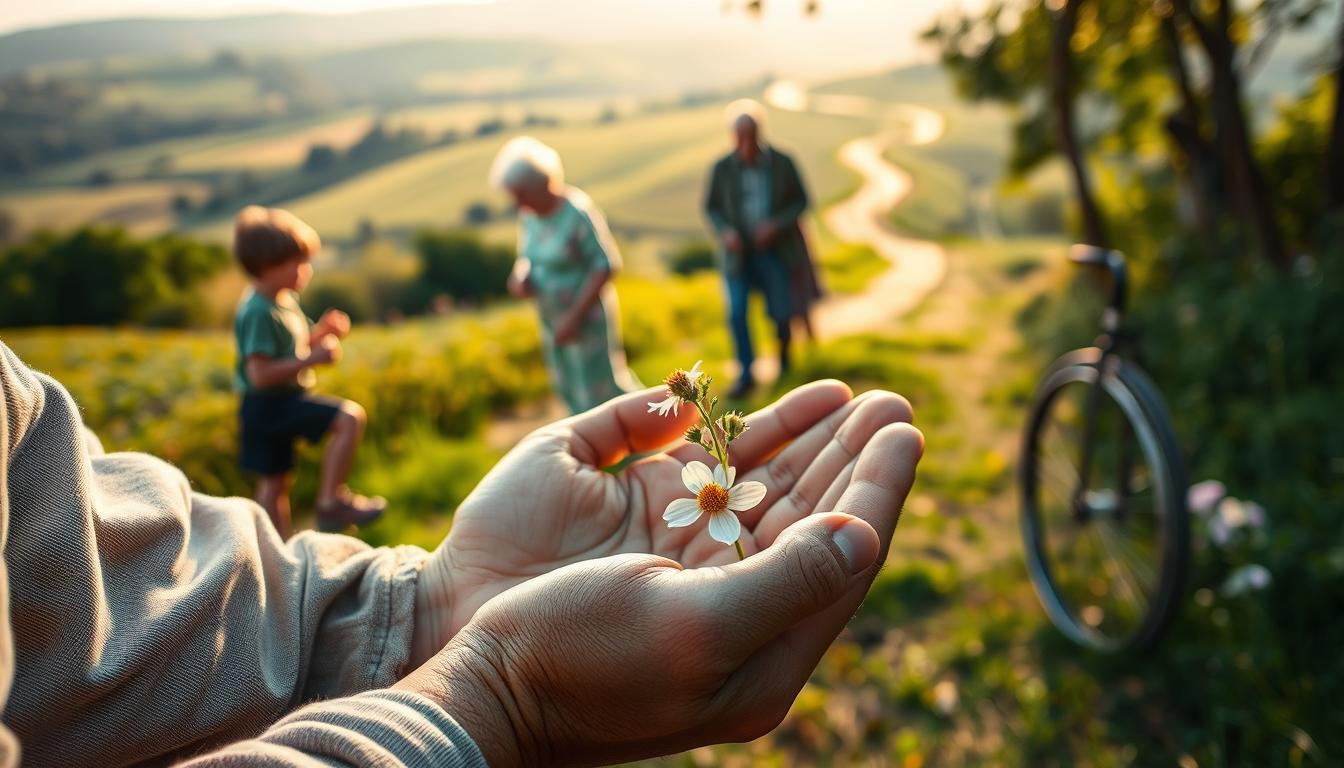
When someone surprises you with kindness, it can make a big impact. Small acts, like a smile from a stranger or a heartfelt note, show us the power of kindness. These acts often come when we least expect them, yet they can change our lives.
A hospice volunteer once shared how small acts of care became unexpected gifts of compassion for patients and their families. During the pandemic, many found light in surprising acts of kindness. Neighbors checking in or virtual celebrations turned lonely days into moments of hope. These stories show how kindness bridges gaps, even in tough times.
Exploring the power of these gestures, you’ll see how giving without reason sparks joy and builds trust. It creates lasting bonds. From personal stories to science-backed insights, this article reveals how kindness shapes lives—one unexpected gift at a time.
The Joy of Unexpected Kindness
Acts of kindness often surprise us, bringing real joy. Think of a hospice volunteer who found joy in small acts for patients. They learned that surprise generosity can change even tough moments. These acts leave lasting memories, showing kindness’s power to uplift both the giver and receiver.
Why does unexpected kindness have such a strong emotional impact of kindness? It feels more real when given without expecting anything in return. During the pandemic, families found joy in sudden visits or care packages. These acts of joy of unexpected kindness broke through stress, showing how surprise support can strengthen bonds.
Studies show 75% of people feel happier after doing a random act of kindness. This kindness inspires others: 60% of those surprised by kindness then pay it forward. Whether it’s a stranger’s smile or a neighbor’s help, these moments remind us kindness thrives beyond routine. Small, unplanned gestures can change days—and hearts.
Personal Stories of Surprising Kindness
Kindness often shows up when we least expect it. Take Samuel Mamou, a Louisiana teacher who changed lives after Hurricane Ida. His home was destroyed, but he spent days helping his neighbors. His hard work caught the attention of Clorox and Sheex, leading to big donations.
“Kindness isn’t just help—it’s hope,” Mamou said. His story shows how surprising acts of compassion can rebuild communities.

In New York, P.S. 117 shows small actions can make a big difference. This school, where many families rely on federal aid, turned a holiday toy drive into a community effort. Macy’s donated 2,000 toys, and teachers bought winter coats for families.
Their motto, “It’s cool to be kind,” is more than words. “Students learn kindness isn’t a task—it’s a habit,” said principal Lashawn Smith.
“Kindness becomes a language everyone understands,” said volunteers at New Wine Christian Fellowship Church, where Samuel’s relief work began. Their efforts after Hurricane Ida showed how personal kindness stories inspire lasting bonds.
These stories remind us kindness thrives in tough times. Whether it’s strangers’ generosity or neighbors coming together, every act connects us. Mamou’s story spreads, showing compassion is a ripple waiting to grow.
The Science Behind Kindness
Research shows the science of kindness has real impacts on our brains and bodies. A study analyzing 126 global studies found that small, spontaneous acts of kindness boost happiness more than formal ones. Even witnessing kindness can spark emotions like awe and hope, making people more optimistic about humanity.
When we act kindly, our brains release feel-good chemicals like oxytocin, dopamine, and serotonin. These chemicals create a “helper’s high,” reducing stress hormones like cortisol. This aligns with the neurological benefits of kindness, fostering connection and calm. The surprise of an unexpected act can amplify these effects, making the experience more memorable and impactful.
The health effects of compassion are clear too. Older adults who practice kindness often have better heart health and stronger immune systems. Studies link kindness to lower anxiety, depression, and inflammation. For example, witnessing kindness triggers physiological changes, like shifts in heart rate and brain activity in empathy-linked regions. This creates a cycle where kindness spreads, benefiting everyone involved.
Research by Piper, Saslow, and Saturn (2015) found that moral elevation from witnessing kindness activates both sympathetic and parasympathetic responses. These reactions show how kindness’s ripple effects can inspire others to act, proving compassion isn’t just heartwarming—it’s scientifically proven to improve lives. Every small gesture, whether given or observed, holds power to transform minds and bodies.
Recognizing Acts of Kindness in Daily Life
Everyday kindness often goes unnoticed. A coworker sharing supplies, a stranger giving directions, or a neighbor mowing your lawn while you’re away are all daily acts of kindness. These small actions are essential. Hospice workers, for example, find kindness in simple acts like holding a hand or listening without judgment.

Start noticing these moments by tracking them. Keep a journal or set a daily reminder to pause and reflect. During the pandemic, many found recognizing kindness in neighbors leaving groceries on doorsteps or virtual check-ins. Even small acts build connections. Workplaces thrive when teams practice kindness: 30 workplace-friendly gestures—like praising a colleague’s work—can boost morale, proving kindness isn’t just personal but professional too.
Kindness grows when acknowledged. The Great Kindness Challenge encourages kids to complete 51 acts in a week, showing how intentional practices create habits. Studies show such acts lower stress and strengthen communities. By tuning into these interactions, we turn everyday moments into opportunities to give and receive warmth. Small steps add up, making everyday compassion a shared language anyone can speak.
How to Encourage Kindness in Your Community
Building a kindness culture begins with small actions. Communities grow when neighbors take the lead. Community kindness initiatives like committees or cleanups turn ideas into reality. Start by showing kindness every day—hold doors, say thank you, or leave notes of thanks.
Start local projects like free fridges or blessing boxes. These spaces help people give and take, building support. Schools can host kindness challenges, encouraging students to help others. Studies show encouraging compassion makes us happier: 78% of people feel better after helping, and volunteering boosts well-being by 20%.
“Kindness is a language the deaf and blind can see and hear.” — Mark Twain
Plan events like Random Acts of Kindness Day on February 17. Host workshops on empathy or partner with businesses for drives. Social media helps spread kindness—hashtags like #RandomActofKindness share inspiring stories. Teens like @OsseoNiceThings show kindness online can change lives offline.
Encourage workplaces to support kindness programs. Teams that volunteer together see morale rise by 47%. Simple acts like complimenting coworkers or organizing charity drives strengthen bonds. Even small steps like greeting neighbors or sharing resources can create a culture of compassion. Every act has a ripple effect, changing communities one thoughtful gesture at a time.
Kindness Across Cultures
Kindness is found in every society, but it shows up differently. In Japan, omotenashi means giving without expecting anything in return. In South Africa, ubuntu teaches that our identity comes from our community. These international kindness customs show us that caring for others knows no borders.

In Scandinavia, dugnad is about helping out in the community. In the Middle East, karam is all about giving to charity. Studies show that seeing kindness makes us more likely to help others too. In fact, 88 experiments worldwide found people were 34% more likely to help after seeing others do it.
“Small acts of connection can lead to transformative societal change,” note researchers who analyzed 25,000+ participants. This aligns with the Starbucks drive-thru chain where one act sparked 11 hours of kindness—a modern example of shared humanity.
Looking into these traditions can teach us a lot. By learning from places like Mexico and Kenya, we can grow closer to each other. Embracing these lessons helps us build a world where kindness is understood by all.
Teaching Kindness to Children
Kindness education starts early. Parents and educators can teach teaching children kindness with simple actions. Young kids learn by sharing toys. Older children benefit from service projects or keeping gratitude journals.
A kindergarten uses kindness journals to track small acts. This includes writing notes or helping neighbors.
Modeling compassion for kids means showing, not just telling. Adults can hide a dollar in a toy section or leave quarters at a laundromat. This lets children join in these acts of kindness.
These actions, like the 100 Acts of Kindness Project, turn daily moments into lessons. Celebrate teaching children kindness on February 17, Random Acts of Kindness Day. Leave uplifting notes or send “thank you” cards to local first responders.
Kindness education grows through observation. When families help neighbors or compliment others, kids notice. During challenges like the pandemic, many children saw adults helping strangers.
This strengthened their empathy. Even small gestures, like greeting office staff by name or leaving positive car notes, show compassion in action.
Kindness education isn’t just lessons—it’s living examples. By doing community projects or tracking 100 acts by Valentine’s Day, families build lasting habits. When adults model care, children learn to see kindness as part of daily life.
This builds a future where empathy is second nature.
The Ripple Effect of Kindness
A single act of kindness can start a kindness ripple effect that changes lives far beyond the moment. Think of a hospice volunteer who found their life view changed by caring for patients. Their daily work didn’t just comfort the sick—it also changed how they treated others.
This shows the power of moral elevation. Seeing kindness inspires more kindness, starting a chain reaction of compassion.
During the pandemic, a stranger gave groceries to an isolated family. This act of kindness started a chain of generosity. The family helped their neighbor, who then donated meals to a local shelter.
Such stories show kindness can reach far. Research says kindness can affect “three degrees” of people we may never meet. Most people believe small acts can have big effects, and doing good makes them happier.

Science proves kindness is not just warm—it’s powerful. Doing something kind, like buying someone’s coffee, releases oxytocin, which helps us connect. These acts build communities where most people believe kindness spreads positivity.
Even if kindness is unseen, it leaves a mark. One study found 43% of people who received kindness paid it forward. The spreading kindness impacts aren’t just emotional—they also improve health and even extend life.
Start small. A simple act of kindness, like praising a coworker or helping a neighbor, can start a chain of good deeds. Remember, kindness is a choice that resonates. What kindness will you spread today?
Ways to Show Kindness to Others
Small acts of unexpected kindness ideas can make everyday moments special. Picture a coffee drive-thru where 12 people pay for the next person’s order. This starts a chain of giving. Or think of a lemonade stand where kids only charge 5 cents, showing kindness is for all ages. These meaningful compassionate acts don’t need big plans. They just need a heart to notice others.
Doing something as simple as leaving a note in a library book or praising a coworker’s work doesn’t cost a thing. A smile or letting someone merge in traffic can make someone’s day. For a bigger impact, make care packages with Kleenex, tea, and books for friends going through hard times. These ways to surprise others show you care about their specific needs.
Supporting local businesses by buying their products or sharing their posts is another way to help. Parents of young kids might appreciate a meal drop-off during those early months. You can also send postcards to kids in the hospital or thank a teacher or neighbor. Small actions, like a care package or a smile, can make a big difference. Start today; even a simple “good job” to a barista can spread joy far and wide.
Conclusion: Embracing Kindness in Our Lives
Kindness is more than a moment; it’s a choice that changes lives. Stories of unexpected kindness, like a volunteer’s new view on aging, show its power. They also highlight the benefits of compassion.
Science backs it up, too. Studies show kindness can make us 30% happier. Small acts, like a compliment or listening, can start big changes.
Starting a kindness journey is simple. Just leave a note for a neighbor, forgive a small hurt, or smile at a stranger. These actions create connections and fight off loneliness.
Over 90% of people think even small acts are important. Yet, many feel they can’t do enough. This is your chance to make a difference.
Living a kindness lifestyle means choosing empathy every day. It’s about finding moments to give, even when it’s hard. Every act strengthens our communities and brings us joy.
Remember, kindness isn’t just about big gestures. It’s the small, quiet acts that make a big difference. Start your week with one small act. You might just change someone’s life.