

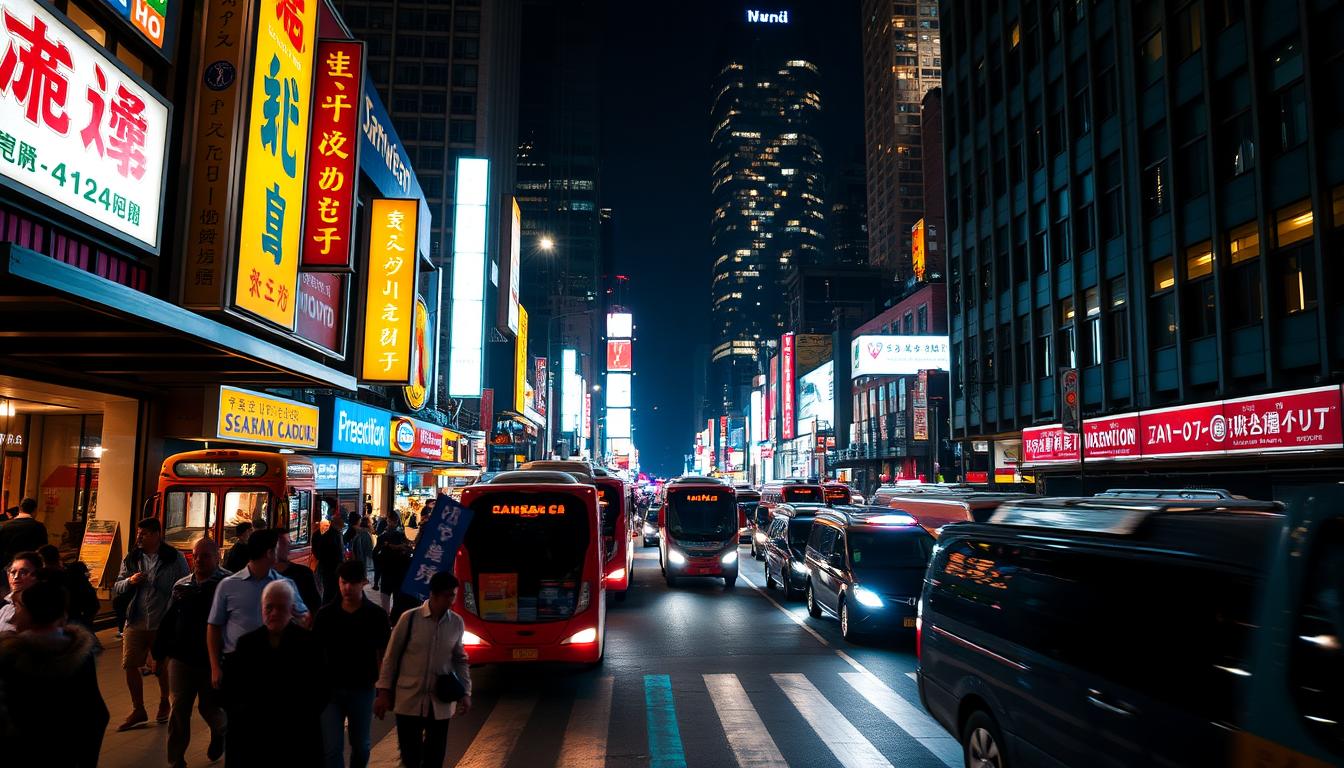
Modern life is filled with noise, from cars to gadgets, making it hard to find peace. In New York, the loudest city in the U.S., even famous places like Times Square are too loud. This noise isn’t just annoying—it’s bad for our health, increasing risks of high blood pressure and stroke.
Living in the city means dealing with too much noise every day. A study found 77% of people feel overwhelmed by today’s demands. They long for quiet places to rest. With 11 hours of tech use and 96 phone checks a day, our minds are exhausted. Silence is more than a luxury; it’s a vital escape in a world that’s always loud.
Understanding Noise Pollution
Sound pollution happens when unwanted sounds mess up our daily lives. Decibel levels over 40 dBA during the day can harm our health. But, cities often have sounds much louder than that.
Traffic, construction, and industrial sounds are big contributors to environmental noise. This noise affects millions of people. The World Health Organization says sounds over 55 dBA at night can raise heart disease risk.
Metrics like the A-weighted decibel scale help measure these risks. For instance, a jackhammer can reach 110 dBA, causing hearing damage in minutes. Even softer ambient noise, like the hum of highways at 65 dBA, can harm sleep and mental health.
More than 100 million Americans live near traffic that’s too loud. This increases stress and hypertension. Sound pollution isn’t just about loud noises. Low-frequency sounds from machines or planes can also disrupt sleep.
Studies show kids in noisy schools do worse in school. The WHO says 12 million Americans have tinnitus, often from too much noise. Noise pollution’s effects range from hearing loss to heart disease. Yet, U.S. funding for studying noise has been stuck for decades.
When the World Felt Too Loud
For many, the difference between background noise and overwhelming sounds is small. Erica Walker, an epidemiologist, hit this point when her neighbor’s footsteps became a constant noise sensitivity trigger. “It destroyed my life,” she remembers. Her story shows how common sounds can turn into auditory overwhelm.
Walker used to be a bookbinder. But noise-induced stress made her study the effects of noise pollution. This change marked a new path for her.
“I just fell into this world of trying to Google ‘how do I deal with this?’”

Erica’s story is common among those with sensory processing issues. The World Health Organization says chronic noise can cause stress and noise fatigue. Dr. James Gill links it to more anxiety cases.
For 1 in 5 Highly Sensitive Persons (HSPs), even small sound triggers can upset their day. After lockdowns, some, like Harriet, needed quiet days after social events.
Today, people use noise-canceling headphones and nature to find peace. Dr. Lisa Avery suggests setting aside quiet time each day. The “quiet life” trend on TikTok shows millions seeking calm spaces. Understanding personal triggers and advocating for quiet is key to finding peace.
The Impact of Technology on Noise Levels
Modern technology has changed how we hear the world. Smartphones, smart speakers, and appliances like refrigerators make constant sounds. These digital noises lead to notification fatigue, making it hard to find peace. Devices that are meant to make life easier now keep us constantly alert, turning homes into noisy places.
Even sound design plays a role we might not see. The hum of a laptop fan, the buzz of a charging phone, or the default ringtone of a smartwatch all add to the background noise. Research shows that too much of this noise can increase stress and make it hard to focus or relax. A 2022 study in the Technical Journal of Advanced Mobility found that simulated flying car noise at 25 km/h raised stress levels, even after turning down the volume. Our brains stay alert, leading to long-term strain.
“Noise pollution isn’t just loudness—it’s the mental load of managing constant signals.”
But technology also offers ways to solve these problems. Noise-canceling headphones and apps that block non-essential alerts can help us find quiet again. Electronic devices now have settings to adjust volume or go into quiet mode. The World Health Organization suggests keeping noise levels under 30 dB at night for better sleep. Finding a balance between innovation and thoughtful sound design is essential to reduce tech noise without losing its benefits.
The Science Behind Sound and Noise
Sound waves affect how our bodies and minds react. They start when vibrations hit the ear, then travel through the cochlea to the auditory nerve. This nerve sends signals to the brain, where the amygdala figures out threats.
Too much noise can trigger a stress response. This releases cortisol and adrenaline. Over time, it can raise blood pressure, strain the heart, and harm mental health.
Acoustic impact isn’t just about loudness. Research shows noise affects learning. In the 1970s, New York students near train tracks did worse on tests than those in quiet classrooms.
Chronic noise can slow down kids’ brain growth. It can also cause memory problems and fatigue in adults. This is because constant background noise disrupts focus.

Noise over 85 decibels can damage hearing permanently. Sounds like chainsaws or rock concerts can harm hearing in minutes. Even everyday sounds like traffic can be harmful if heard daily.
Sound travels fastest in solids, but air carries the noise we hear every day. The World Health Organization says 1 in 7 people worldwide suffer from hearing loss due to noise. Protecting our hearing means protecting our brain and overall health. Knowing how sound works helps us make quieter, healthier spaces.
Finding Solitude in a Noisy World
Even in busy cities, quiet spots are waiting to be found. Look for urban parks, libraries, and community gardens. These places can be your sound sanctuaries.
Early mornings are great for finding peace. The noise drops by 50%. A sound sanctuary could be a bench by a fountain or a quiet corner with headphones.
“After one afternoon by the lapping water and ducks, I could hear myself think again,” said a traveler about Venice’s canals. These spots show us that quiet is found where nature and design come together. Even small changes, like turning off screens or setting aside 10 minutes daily, can create acoustic refuges.
Noise havens are close by, like a backyard bird feeder or a walk in the woods.
Modern life’s noise can drown out our thoughts, yet 40% of people seek quiet for mental health. Start small: mute notifications, visit a local botanical garden, or redesign a room as your personal acoustic refuge. Even 20 minutes in a peaceful space can lower stress, studies show.
Create your own quiet retreat by choosing quiet times or using curtains to block sound. The goal is not total silence but moments to reconnect with your thoughts. As one traveler found, “gentle sounds like birdsong” make these spaces restorative, not isolating. Let these peaceful spaces be your daily antidote to noise.
Strategies for Reducing Noise Exposure
Protecting your peace starts with simple steps. Sound insulation materials like thick curtains or wall panels block outside noise. Acoustic treatments such as foam tiles or rugs absorb echoes, making spaces calmer. For tech solutions, noise-canceling headphones from Bose or Sony quiet down background noise during commutes or work. Quiet technology apps like Calm or Focus@Will provide soundscapes to mask disruptive sounds.

“Block it out. If something is important, dedicate a specific block of time to it.”
Changing how you behave can also help. Turn off devices and schedule “quiet hours.” Position yourself away from loud appliances. When mowing the lawn or using power tools, wear earplugs. At work, ask for noise reduction measures like enclosed offices or flexible schedules to avoid peak noise times. Even small changes, like closing windows during rush hour, make a difference.
Remember, exposure to sounds over 85 decibels can harm your hearing. Use apps like SoundPrint to measure noise levels in public spaces. The WHO’s hearWHO app helps track hearing health. Prioritize sound insulation in homes near highways or airports. By using tools, changing habits, and staying alert, you can control your acoustic environment, one choice at a time.
The Benefits of Embracing Silence
Quiet healing is more than just avoiding noise. It’s a practice that boosts mental clarity and well-being. Studies show that restorative silence can improve brain function. It lowers stress hormones and enhances memory and focus.
Even short moments of silence can help the mind reset. This sharpens creativity and problem-solving skills.
The WhisperRoom is a space designed to block outside noise. It’s a sanctuary for mindful listening. Users find better concentration and reduced stress after spending time there.
Research from UPMC Health shows that children in quieter settings do better in school. This proves silence benefits all ages.
“Silence can literally grow new brain cells,” noted a 2013 study. It boosts neural development in the hippocampus, aiding learning and emotional health.
Mental clarity comes when we step away from constant stimulation. Without the noise of devices or chatter, we confront our internal thoughts. This fosters self-awareness.
Even 10 minutes of daily quiet can lower blood pressure and ease anxiety. The American Institute of Stress reports that 77% of Americans show physical stress signs. Silence offers a natural remedy.
Embracing silence isn’t about isolation. It’s a tool to listen deeply and nurture relationships. It helps us rediscover calm. Start small with a morning coffee break in silence or an evening unwind without screens. Let restorative silence rebuild your energy.
The Role of Government in Managing Noise
Government is key in fighting noise pollution with noise ordinances and sound regulations. The 1972 Noise Control Act aimed to protect Americans from harmful noise. But after the EPA lost funding in 1981, states and cities took over. Now, local noise policies differ a lot, from Washington, D.C.’s ban on gas-powered leaf blowers to strict rules in cities.
“That law is stil on the books; there are mandatory responsibilities designated in that act that have not been carried out for 40 years,” said an expert, highlighting federal inaction.

But enforcing noise enforcement is tough. Some cities watch construction hours or limit loud tools, but many areas lack protection. Poor neighborhoods suffer most from traffic and industrial noise, leading to health issues like high blood pressure. Studies show a 5 dB drop in traffic noise could prevent 1.4% of hypertension cases each year, saving billions.
New ways to tackle noise include quiet zones, time limits, and stricter building rules. Supporters want the EPA to update its 1974 noise guidelines. People can push for better community standards by attending local meetings or backing local efforts. It’s about finding a balance between growth and keeping areas quiet for everyone’s health.
Cultivating a Quiet Lifestyle
Starting a quiet lifestyle is about making small, thoughtful choices. Moments of daily silence, like morning meditation or evening walks, can become a regular part of your life. Even just five minutes of listening to rain or doing a breath exercise can help you focus.
Studies show that two hours of daily silence can improve brain health. It can even help grow cells in the hippocampus, which is important for memory and learning.
“It may help to remember that we are the landlords of our own minds. We shouldn’t be afraid to take charge of what’s going on up there from time to time, change the locks, set curfews, or call the exterminator. Take ownership of the real estate in your head!”
Being aware of noise is the first step. Many people find that physical activity and mindfulness reduce mental clutter. Quiet routines, like yoga or journaling, can make silence a habit. Listening to music or nature sounds can also help block out distractions.
Even 20 minutes of daily silence can clear your mind. Quiet living means choosing environments that promote calm. Limiting social media, setting tech-free times, or planning nature walks can help build lasting habits.
The goal is to make silence a daily priority, not a luxury. Over time, these habits can lead to mental clarity and creativity. As you adapt, stress decreases, and focus improves. Quiet routines are not escapes but tools to control your mental space.
Conversations About Noise with Friends and Family
New York City’s 311 data shows noise complaints top all issues, proving how common these conflicts are. Open sound sensitivity discussions can turn tension into solutions. Start with “I” statements like, “I need quiet evenings to recharge,” instead of blame. Proposing family sound rules—like quiet hours or tech-free meals—build mutual respect. Good noise etiquette starts with listening.
Cultural or generational differences in noise tolerance often arise. A grandparent’s TV volume or a teen’s music could clash. Compromising on noise boundaries means respecting varied needs. For Jamie M., who manages bipolar disorder, clear agreements about shared quiet zones eased daily stress. These talks are vital for those with conditions like hyperacusis.
Respecting family sound rules means acknowledging differences. Small steps like using earplugs or scheduling calm times create environments where everyone thrives. Open talks about sound levels and coping strategies protect relationships while honoring individual needs.
The Future of Sound and Silence
As cities get noisier, engineers and designers are working on sound design future solutions. They’re creating quiet technology in headphones and smart windows. These innovations are changing how we live every day.
NYU’s Sounds of New York City project uses community data to map noise pollution. It trains AI to predict and reduce loud noises. Erica Walker’s NoiseScore app lets people track local noise levels, helping communities push for change.
Acoustic engineering now focuses on soundscape planning. It aims to design urban spaces where birdsong is more common than traffic noise. Innovations include materials that absorb sound in schools and offices, helping kids focus and workers collaborate.
Imagine classrooms with walls that block out traffic noise, or parks with 30% less ambient noise through smart design.
Data centers like CyrusOne’s Arizona facility show the need for balance between progress and quiet. Their servers power the digital world, but their noise highlights gaps in current rules. Future noise innovation could lead to quieter infrastructure or zoning laws that focus on sound.
Quiet technology isn’t just for headphones. Cars with acoustic engineering mufflers and buildings with noise-canceling panels are becoming common. The goal is to create a world where sound enriches life without being overwhelming.
Conclusion: Seeking Peace in a Noisy Era
Gordon Hempton says silence is “the presence of place.” This means quiet is not just the absence of noise. It’s a choice we make every day. By choosing quiet, we start a quiet revolution that brings balance to our lives.
Research shows 75% of people feel closer to themselves when it’s quiet. Even just 10 minutes of deep breathing can lower stress by 30% and boost emotional strength by half. Listening carefully and making mindful choices help us find harmony in our surroundings.
More than 70% of adults feel overwhelmed today. But there’s hope in the quiet revolution. By finding moments of quiet, we can break free from the constant noise of phones and news. Every time we choose to be quiet, we help others too. Studies show quieter people have 40% fewer conflicts, showing the power of personal silence.