

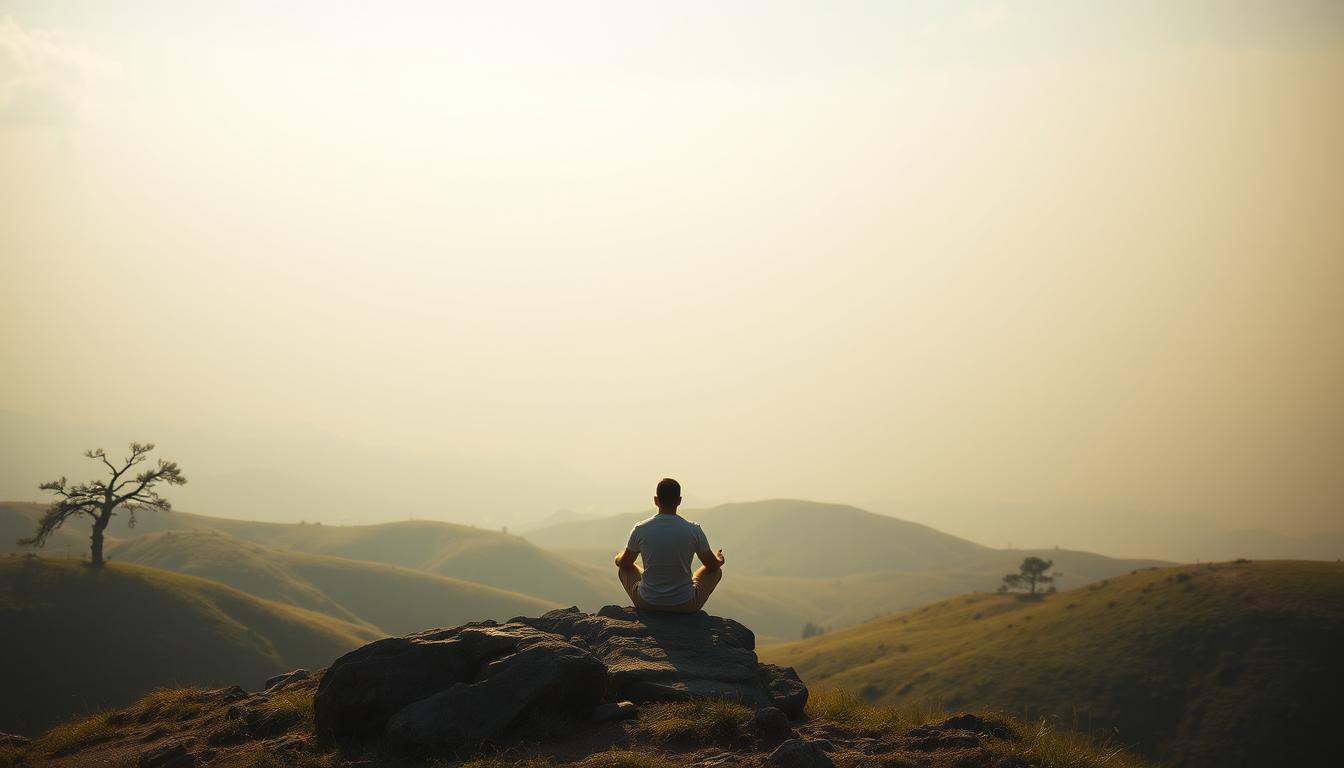
For years, I tried to outrun the unknown like it was a storm. My spaces were cluttered, filled with “what-ifs” that cost me more than rent. Moving to San Francisco in 2010 felt like jumping off a cliff, even though the odds of “tomorrow” being worse than today were always the same.
Life’s pauses, like standing in temporal goo between decisions, felt like failure. But what if those pauses were invitations?
I learned to slow down by embracing life’s pauses. The fear of losing control faded as I took small steps, like balancing on a low rope. What started as anxiety turned into curiosity.
Finding peace with uncertainty began when I stopped racing toward “safety.” I let life’s rhythm guide me. Now, I see pauses as doorways to reinvention.
Understanding the Unknown and Its Impact
“Many people live life on a pause. They take a passenger seat in the front. The view is great, you feel like you’re helping the driver, but it’s all an illusion.”
The fear of the unknown triggers a deep stress response. Our brains see uncertainty as a threat. This fear can lead to anxiety disorders and phobias.
When we can’t control what happens, anxiety grows. I experienced panic attacks after losing a job. I worried about the worst-case scenarios.
Studies link long-term uncertainty to physical problems like insomnia and digestive issues. Michel Dugas found that learning to accept ambiguity can reduce anxiety. Yet, many stick to routines, fearing change.
Neuroscience shows that uncertainty can also spark creativity. It expands our mental focus. But, struggling with the unknown can harm our health. Adapting to it, though, builds resilience.
The American Psychological Association suggests taking small steps to face uncertainty. Overthinking and putting things off often hide deeper fears. By recognizing these patterns, we can move from being stuck to taking action.
The Journey to Acceptance
Starting my journey to acceptance meant seeing how much energy I wasted fighting what I couldn’t change. Clarity came in quiet moments—a morning walk or a late-night talk. I learned that overcoming resistance to change is about giving in, not fighting.
The mind fears what it doesn’t know, and holding onto old ways only made me hurt more.

I began with small steps: journaling, meditating, and reading books like Dr. Kristin Neff’s on self-compassion. These actions weren’t quick fixes, but they made me feel less tense. Mindfulness boosts well-being by 30%, and I felt that change.
Letting go of the need to control everything became a daily goal. It was about learning to let go of what I expected, not life itself.
Acceptance isn’t just sitting back. It’s facing the unknown with curiosity, not fear. When I stopped fighting life’s pauses, like waiting for a new chapter, I found room to breathe. Studies show self-acceptance lowers anxiety. But the real lesson was simpler: fighting drains you, while accepting frees you up for growth.
Embracing Faith in Life’s Journey
Faith grows when we see uncertainty as a teacher, not a foe. Trusting unseen paths leads to meaningful places. Over 85% find clarity in faith-based programs, showing trust over fear.
Many seek ancient wisdom for guidance. Stoic teachings and mindfulness help view setbacks as growth. Daily journaling or meditation strengthens this mindset. Research shows 90% in spiritual coaching gain confidence by trusting over controlling.
Scriptures like Isaiah 26:3 teach timeless truths. Small steps, like pausing or thanking challenges, build faith. Over 65% who practice gratitude see life improvements in months, proving small choices matter.
Community support boosts this journey. Sharing struggles and victories in groups normalizes uncertainty. When 70% say fear holds them back, faith offers a different path. Trusting life’s flow becomes a daily practice, not just an ideal.
Shifting Your Mindset
Starting a mindset shift about uncertainty means letting go of fixed plans. Instead, I ask, “What might this teach me?” This curiosity guides me towards growth, not just control. Think of uncertainty as a blank canvas, full of possibilities.

A study shows 80% of people who focus on what they can control feel empowered. But true freedom comes from embracing what you can’t. Journaling daily changed my inner dialogue. I moved from “Why won’t things stay the same?” to “What’s one small step I can take now?”
“I sit in the uselessness of finding some ‘new normal’ because it won’t matter next week or in the next few months. Then, there are moments of clarity within the fog—and an idea of what to do next.”
Mindfulness, like breathing exercises, can reduce stress by half. I practiced noticing my thoughts instead of fighting them. High achievers see failure as feedback, not the end. The 7 Mindsets program, used by 5 million students, teaches this.
When I stopped clinging to outcomes, my decisions improved. New possibilities emerged where I once saw only gaps. Start small by asking, “What can I explore today?” This shift doesn’t erase fears—it turns them into tools. The unknown is where curiosity and courage meet.
Creating a Vision for the Future
Creating vision despite uncertainty starts with embracing flexibility. Over 70% of people lack clear life goals. But studies show those who write their vision gain clarity, like my own journey.
Flexible goal setting isn’t about rigid timelines but adapting to change. Imagine a roadmap where the destination stays in focus while routes shift. This mindset shift reduces stress and keeps progress moving.
Research proves writing goals boosts achievement by 33% when shared with a support network. My battle board—a visual tool—keeps me grounded in direction without certainty. It’s not about perfection but consistent small steps.
In 2024, focusing on spiritual growth rebuilt my foundation. This proves even vague starting points can evolve into actionable steps.
Start by defining core values first. What matters most? Then break goals into weekly actions. A 2025 goal of “non-vague” ambitions, though intimidating, becomes manageable through daily habits.
Even 5 minutes daily reviewing progress builds momentum. Remember, 75% of those using vision boards report higher motivation. Let your vision board or journal be your compass, not a cage.
Uncertainty isn’t the enemy—it’s the space where growth happens. As one reader noted, “My 2024 focus on faith transformed my 2025 goals into tangible steps.” Trust the process. Your vision is alive, always evolving. Begin today with one small, flexible goal that aligns with your deeper purpose.
The Importance of Community Support
Uncertainty fades when shared. Community during uncertainty offers a lifeline—people who stand with you, not just for you. Strong support networks turn panic into progress. Science shows veterans with robust support face PTSD 180% less than those isolated.
Even small acts like joining a local group or attending a neighborhood event build safety in shared struggles.
Isolation harms more than we see. Studies link loneliness to higher risks of heart disease and early death. Yet communities thrive when we lean into togetherness.
Groups like the Healthy Start initiative prove collective action saves lives—proving support isn’t just kind, it’s vital. When anxiety tightens its grip, professional help for anxiety provides tools to name fears without shame.
Therapists guide us through uncertainty’s fog, helping reframe unknowns as adventures, not enemies. Community gardens or block parties foster connections that lower stress hormones. Building these ties isn’t selfish—it’s survival.
Whether through a neighbor’s check-in or a therapist’s wisdom, reaching out isn’t weakness. It’s how we grow roots to weather any storm.
Cultivating Resilience
Building resilience starts with daily habits that keep us grounded. Think about starting your day with a walk, writing in a journal, or having dinner with family. These small actions can make a big difference. Experts say connection, wellness, and mindfulness are essential.
Eating well and doing short yoga sessions can help you stay strong when things get tough. Just 10 minutes of deep breathing or a walk outside can change your perspective. The American Psychological Association says combining self-care with reflection is key to resilience.
Learning from past challenges is also important. Keep a record of times you handled uncertainty well. Ask yourself what strategies worked before. Did being creative or having friends help?
This “uncertainty resume” reminds you of your strength. Studies show looking back at past successes boosts confidence when facing new challenges.
During the pandemic, many found hope in small routines like virtual coffee chats or daily gratitude lists. Remember, resilience isn’t about avoiding stress—it’s about growing stronger through effort. Start today by scheduling a 15-minute walk, writing down a past victory, or trying the RAIN technique (Recognize, Allow, Investigate, Nurture). Every step helps you face the unknown with calm clarity.
Finding Comfort in the Present
Present moment awareness is more than just a trend—it’s a lifeline. When the future seems uncertain, focusing on the now can calm the mind. Try sitting quietly and noticing your breath for five minutes. This simple act can change your day.
“In the afternoon, peasant women set up shop beside their streetside fish smokers,” writes the poet. These observations highlight how focusing on the ordinary can anchor us in the now.

Building stability starts with small steps. A morning coffee ritual or a walk without your phone can help. Research shows that taking breaks can actually reduce anxiety. It’s about choosing calm over chaos.
Try body scans: close your eyes and check in with each part of your body. This can lower stress hormones, studies show. When routines become habits, they protect us from life’s ups and downs.
Mindfulness during uncertainty is a choice. It’s about fully engaging with the present moment. Noticing the crunch of leaves or the warmth of tea can build resilience. Remember, every breath is a chance to start anew.
The Role of Personal Growth
Uncertainty isn’t an obstacle—it’s a teacher. Personal growth through uncertainty starts when we stop fighting life’s twists. Challenges make us adapt and grow beyond what we know.
The human mind gets stronger with each challenge. Studies show mindfulness boosts self-awareness by 30%. Even discomfort can sharpen our focus.
“You can always be in charge. It’s not something you have to build in. It’s all already there.”
Evolution through challenges often begins with small steps. When I faced setbacks, I discovered new skills like patience and creativity. These skills wouldn’t have emerged in calm times.
Difficult moments also reveal hidden purposes. By asking, “What does this teach me?” I turned pain into clarity. Journaling these insights helped me see finding meaning in difficulty as a choice, not a coincidence.
Every struggle holds a lesson. By facing fears and celebrating small wins, I learned to trust the process. Growth isn’t always easy, but it’s always possible.
As you navigate uncertainty, remember: the path forward lies in embracing change, not avoiding it. Your resilience is already within you, waiting to be discovered.
Integrating Acceptance into Daily Life
Small steps can lead to big changes in how we handle uncertainty. Start with daily acceptance practices like mindful breathing or journaling. When uncertainty feels too much, try a short walk or a quiet nap.
These moments help us acknowledge discomfort without judgment. They give us space to breathe and think.

Studies show that 70% of people who practice acceptance see better relationships and emotional control. My routine includes checking in with my body midday. If I feel tense, I stretch or take a break outside.
These practical uncertainty tools help turn acceptance into action. Being consistent is key—daily mindfulness can reduce stress by 40%.
Start building habits slowly. Pair acceptance exercises with things you already do, like a morning coffee break. Over time, these small choices can lead to big changes. Remember, it’s okay to have setbacks. Focus on progress, not perfection.
Every day is a chance to practice. And with each practice, you get better at facing uncertainty calmly.
Moving Forward with Confidence
Starting with trust in your next step is key to confident action. My 15-year journey showed me that facing unknowns head-on is empowering. Jim Rohn’s advice on daily reflection and small steps helped me a lot.
When I let go of needing certainty, my choices became clearer. They were more in line with what I value. Celebrating small wins helped me see my growth.
Overcoming fears and pleasing others were big hurdles. But every tiny victory was a reason to celebrate. Martin Luther King Jr. taught us that progress is about moving forward, not how fast.
Embracing uncertainty as a teacher is essential. My Stepping Forward Program teaches this. It focuses on making decisions based on values and assessing risks.
Learning to see success as progress, not perfection, is important. Aesop’s story of the Tortoise and Hare shows that steady effort wins. Confidence grows when we stop waiting for guarantees.
Studies show that sleep, nutrition, and self-compassion boost our courage. I’m launching new resources next year. I invite you to find your power in the unknown.