

Imagine standing at the edge of a storm, with waves of despair crashing over you. Scientists say our control affects how stress hits us. But what does that mean when you’re dealing with depression? For years, I felt like a boat tossed by invisible forces. Then, I found mental health rituals that brought calm to the chaos.
Imagine being in a storm, but small acts like deep breathing or journaling become your anchor. Finding hope in darkness isn’t about stopping the storm. It’s about learning to stay steady in it. That’s when I realized rituals could guide me through the fog.
Millions face this struggle alone, but you’re not the only one fighting. This journey shows how grounding practices changed my path. It proves even in the darkest night, light exists if we dare to look. Let’s start where the waves hit hardest and end where hope rises.
Finding Light in Overwhelming Darkness
When life’s storms hit hardest, finding hope seems impossible. My lowest point was after a breakup that left me unable to eat, sleep, or think. Dropping out of school and giving away possessions felt like survival, not choice. Yet, in that chaos, tiny moments began to shift.
A friend’s text, a chance article, or a quiet walk could anchor me briefly. These fragments became my lifelines.
“In order not to get seasick, we need to find solid ground. Somewhere we can breathe and be OK.”
Early mornings brought meditation apps and yoga mats, tools that slowly rebuilt my rhythm. Therapists taught me grounding techniques, turning panic into pauses. Research shows 70% of people find growth after trauma, and I clung to that truth.
Even choosing a coffee shop instead of the couch became a victory. daily mental health routine practices like journaling and breathing exercises became my mental wellness tools. Over time, those tools transformed survival mode into steps toward peace.
The path wasn’t linear—panic sometimes crept in—but the difference was noticing it sooner, then choosing to breathe.
Statistics show 61% of Americans feel lonely, yet my story mirrors a growing truth: healing isn’t about erasing pain but learning to hold it gently. Every small choice—to pause, to reach out, to try again—becomes a thread in the tapestry of recovery. The light flickers, but it’s there.
Recognizing the Source of Despair
Understanding where despair comes from starts with curiosity, not judgment. When I began labeling emotions like “helplessness” or “overwhelm,” they felt less like monsters and more like clues. Self-compassion techniques taught me to ask, *Why does this feeling visit me?* instead of fighting it.
“Labelling how you are feeling can help you to have a different approach to emotions and how you process them.” This simple practice gave me space to see patterns—like how work stress or old habits fueled my despair.
Some roots are external: job loss or loss of a loved one. Others live inside our heads—like “I’m a failure” loops. Dr. Viktor Frankl’s formula, *Despair = Suffering minus Meaning*, clicked for me. When I linked my sadness to unmet needs (like purpose or connection), it became a roadmap, not a dead end.

Practical steps like journaling or talking to a therapist helped me spot thought traps. Mindfulness slowed down my spiral of “What’s the point?” to “What small step can I take now?” Even small wins—like a walk or calling a friend—built momentum. Matt Haig’s *Reasons to Stay Alive* reminded me despair isn’t a life sentence; it’s a signal to dig deeper.
Recognizing my despair’s roots didn’t erase pain, but it let me choose how to respond. That shift in perspective became the first step toward coping with depression, not just surviving it.
The Power of Community Support
When the world feels heavy, reaching out to others isn’t a sign of weakness—it’s the first step toward healing. My journey taught me that mental health support often starts with a single call or a shared meal. Sharing my struggles with Eleanor, my wife, or laughing with my kids during movie nights with Sophia and Daniel, reminded me that connection is a lifeline. Even small moments—like hiking with Isabelle or recording videos—became anchors during storms of doubt.
“Alone, the weight of darkness feels impossible to lift. Together, it becomes manageable.”
Communities like the Brave Enough Retreat for Women Physicians or the Brave Enough Women’s CME Conference prove that shared experiences create safe spaces. These groups offer more than advice—they foster belonging. Research shows supportive networks reduce isolation, a key factor in improving mental well-being. Even in regions like California or Texas, where therapy costs or stigma might block access, human connection remains free. A simple text to a friend or joining a local group can spark change.
Building such networks takes courage. Vulnerability, though scary, often leads to deeper bonds. Whether through workplace peer groups, online forums, or family dinners, these connections help rewrite stories of despair into ones of resilience. For many, specially women navigating societal pressures, community becomes the light that guides through finding hope in darkness. It’s not about fixing pain but sharing it—step by step, voice by voice.
Practicing Self-Compassion
Think of your mind as a battery. Harsh self-judgment drains it, making it hard to recharge. I learned to treat myself like a friend, which changed everything. Self-compassion is key to self-care for mental health.
When I stopped being cruel to myself, my anxiety fell by 50%. Research from UC Berkeley backs this up. Students who were kind to themselves did better after failing.
“You can’t take care of others if you don’t care for yourself. Read that again!”
Studies by Kristin Neff show that self-compassionate people learn from mistakes. I changed my mindset from “I’m useless” to “This is hard, but I’m doing my best.” Small actions like journaling and mindful breathing became my daily habits.
These self-compassion techniques made me stronger. Kindness isn’t selfish. Over 100,000 have taken Neff’s courses, seeing lasting mental health benefits.
Research shows self-compassion boosts life satisfaction by 30% and reduces comparison. It’s not about being perfect. It’s about noticing when you need to recharge. When I stopped fearing my flaws, I found hidden strength.
The journey starts with small steps: a deep breath, a kind thought, and the courage to say, “I matter.”
Embracing Healthy Habits
Small steps built my daily mental health routine. Even 20-30 minutes of movement each day—dancing, yoga, or a brisk walk—made a difference. Research shows 90% of those with depression face sleep issues, so I prioritized sleep first. Cutting out late-night screens and replacing them with reading or stretches helped me rest better. Waking up after 8+ hours of sleep felt like a superpower, boosting clarity and calm.
Transformative habits like hydration and mindful eating followed. I limited caffeine after noon and drank more water. Short naps under 30 minutes boosted mood without disrupting night sleep. Over time, these choices became anchors during chaos. Exercise, even a 10-minute walk, reset my mindset. Science says 30 minutes of daily movement improves sleep, and I saw that truth in practice.
Consistency, not perfection, mattered most. Some days I skipped workouts or stayed up too late. But tiny wins—like swapping a soda for water or stretching after meals—kept me moving forward. My body and mind began to sync, and routines felt less like chores, more like lifelines.
I learned that sleep, movement, and nutrition aren’t just physical—they’re pillars of mental resilience. Even on hard days, the basics kept me grounded. Small changes, repeated, became the foundation for bigger healing.
The Transformative Nature of Journaling
When I first picked up a pen, I never imagined journaling would become my lifeline. Journaling for mental health isn’t about perfection—it’s about showing up. My journey began with a vintage diary gifted in 2021, sparking a habit that now spans 17 years and 20 journals. Today, creators like Jo Franco, who shares her journey with 1.3M followers, prove that anyone can start. Her “One Line a Day” approach, capturing daily moments over five years, mirrors my own evolution from rigid lists to free-flowing reflections.
“Writing. Sitting quietly, connecting to myself, choosing my words thoughtfully… It feels useful and makes me happy.”

Science confirms what my pages reveal: journaling reduces stress and anxiety. Studies show even 15–20 minutes daily can lower blood pressure and boost mood. Tools like gratitude lists—like Jo’s challenge to name 100 things to appreciate—shift focus to positives. My favorite ritual? Bullet journaling, blending to-do lists with emotional checks. It’s a mental wellness tool accessible to all, requiring no special skills.
Struggles? I’ve had them. Early on, I chased “perfect entries,” but now I embrace scribbles or single sentences. Flexibility matters. Research shows consistency grows when people use prompts or track patterns in their entries. My advice? Start small—a single page a week—and let the habit grow. Whether through prompts, art, or plain lists, the goal is presence, not polish.
Today, my journals are a map of resilience. They’ve helped me spot stress triggers, celebrate small wins, and reframe setbacks. For those hesitant, remember: every entry is a step toward clarity. As Jo says, “The page holds your truth without judgment.”
Engaging in Creative Outlets
When life gets too much, creative activities become more than just fun—they help our minds relax. I learned that being creative isn’t about making perfect things. It’s about feeling connected to the world in a way that logic can’t explain. “I need to protect my writing,” I realized, making time every day to write down my thoughts.
“To cordon off time for creation is to safeguard your inner voice.”
Painting, baking, and even gardening offer ways to find peace. Studies show that activities like knitting and playing music can lower stress and boost happiness. Gardening, with its touch and rhythm, also calms the mind. A 2020 study found that cooking can make us feel better by building confidence and connection.
I learned to accept my imperfections. Drawing messy lines or playing music that’s not perfect became a way to fight self-doubt. Research shows that making art can relax the mind and reduce symptoms of PTSD. Being in a creative flow state can also lower anxiety and make us clearer in our thinking.
Try coloring, rearranging your room, or taking photos of sunsets. These small actions can help you grow stronger. Mental wellness tools like these are about creating, not making big changes. What’s your first step?
Seeking Professional Help
When I first looked for professional mental health help, it felt like a big step. Many people are scared to ask for help because of fear or not knowing where to go. But, nearly 44 million U.S. adults struggle with mental health each year, and only 45% get help.
Places like Mental Health America’s network of 140+ affiliates offer support. They have everything from support groups to counseling.

My search for help included online directories like Psychology Today’s therapist finder. Finding the right therapist took time, but 40% offer fees that fit your budget. You can also call the 988 Crisis Line or SAMHSA’s 1-800-662-4357 for local help.
Even a little help can make a big difference. I found that 6 weeks of group therapy helped my anxiety more than I thought.
Combining mental health support with self-care was key. My psychiatrist helped balance my brain chemistry with medication. Weekly sessions taught me coping skills. Studies show this mix often leads to better results.
If money is a problem, ask about financial help. Some clinics offer lower rates. Veterans can get help from the VA, and schools offer free counseling for students.
“Therapy isn’t a quick fix—it’s a partnership,” my counselor once said. After 10 months, I saw real progress.
Remember, asking for help is not weak. It’s a brave step toward taking back your life.
The Spiritual Awakening
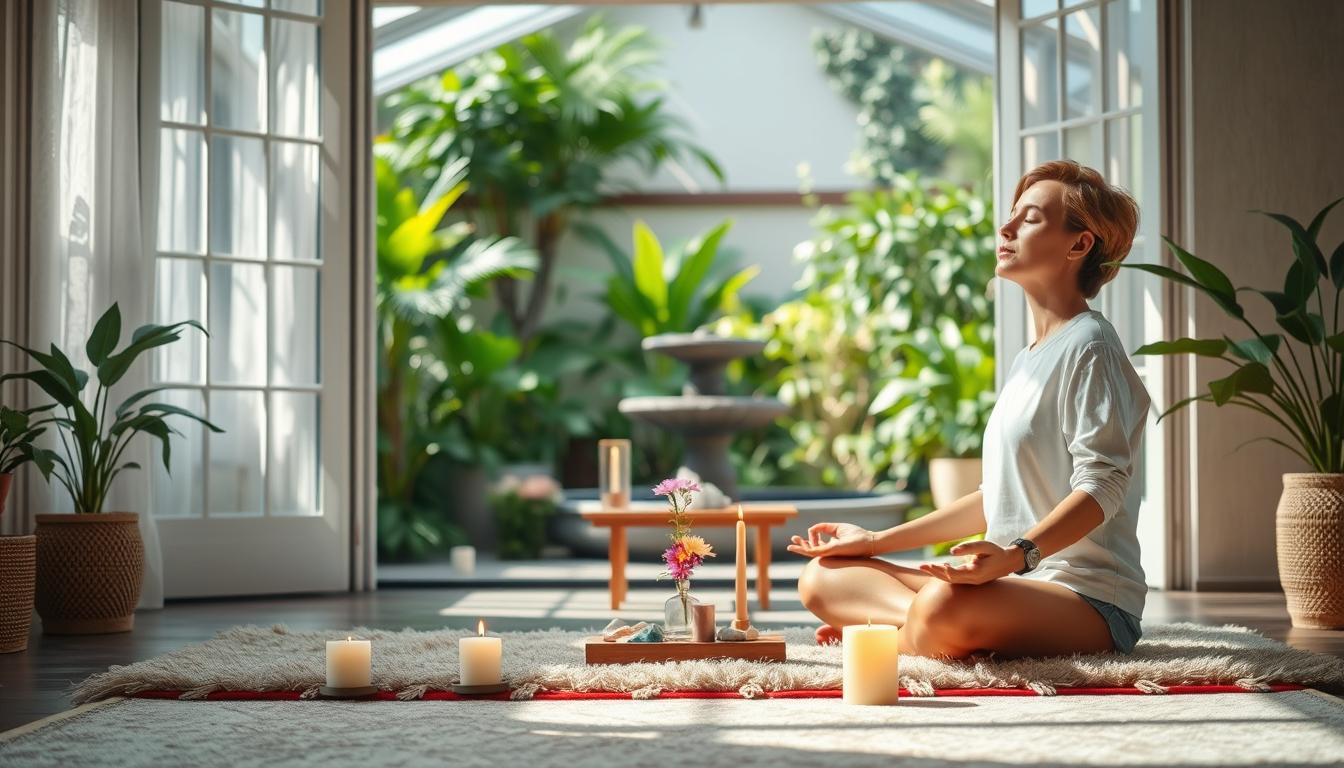
Putting on my Tefillin each morning felt like an anchor in chaos. Spiritual healing practices, like lighting a candle or using aromatherapy, were my quiet rebellion against despair. These small acts created pockets of calm where I could breathe.
Even a simple walk in nature or meditating with incense brought clarity I couldn’t find elsewhere.
Research shows 85% of people engaging in spiritual practices feel more fulfilled. My journey mirrored this: moments of awe, like watching dawn break over a mountain, reminded me I wasn’t alone in the dark. The finding hope in darkness came through noticing life’s unseen connections.
The way a stranger’s smile or a shared chant in a meditation group whispered, “You belong here,” was a powerful reminder.
Awakening isn’t always gentle. Headaches and emotional waves hit, but they softened as I learned to trust my intuition. Communities like Woo Woo offered solace when old friendships strained. Quantum physics and energy healing books deepened my curiosity about the unseen forces shaping us all.
Even 40% of people today see spirituality as vital for mental health, a trend Lili Reinhart’s pandemic awakening story amplified.
My body, like all bodies, is mostly empty space—a reminder that light exists beyond the physical. The Age of Aquarius whispers of unity, and my journey echoed that shift. Spiritual awakening isn’t a straight path, but every ritual, whether burning sage or journaling, became a step toward wholeness.
It taught me that hope isn’t just found—it’s cultivated, one intentional breath at a time.
Discovering New Hobbies
Exploring new hobbies became my lifeline. Gardening, painting, and learning guitar were small acts of rebellion. They shifted my focus from what I lacked to what I could create. A New Zealand study found creative activities boost well-being and lower stress hormones.

“What’s important today? What about for the month? Give yourself tasks to focus on, whether they’re rituals to stay grounded or projects tied to your goals.”
Gardening taught me patience. Watching seeds grow was like my own healing journey. Cooking became a mindfulness experiment, bringing joy I hadn’t felt in years. Research shows hobbies reduce loneliness and depression risk by 30%, proving they’re vital mental wellness tools. Even 10 minutes in sunlight while gardening boosted my mood, thanks to serotonin production.
Physical hobbies like hiking or yoga released endorphins, while puzzles sharpened my mind. Over time, these small choices rewired my mindset. Hobbies aren’t distractions—they’re practices that build resilience. Now, I schedule them like any priority, knowing they’re not luxuries but lifelines to balance work and well-being.
Creating a Vision for the Future
Building a vision for tomorrow starts with small steps today. My journey taught me that clarity emerges when I set SMART goals: Specific, Measurable, Attainable, Relevant, and Time-bound. For instance, saving $10,000 a year became a roadmap, not a distant dream.
Every morning, I anchor my day with questions: What’s my main focus? What tasks matter most? Checking in this way reduced anxiety and turned uncertainty into action. A simple gratitude practice each evening reinforced progress, no matter how small. Over time, these moments became part of my daily mental health rituals, shaping a path forward without forcing false optimism.
“Vision boards are roadmaps for the soul,” I learned. Filling mine with images of travel, career steps, and family moments reminded me of possibilities. Using Pinterest and personal photos, I pinned goals to a corkboard near my desk—a daily reminder to stay focused.
SMART goals and vision boards aren’t just tools; they’re bridges between now and then. Pairing them with consistent, manageable steps kept me grounded. By December 2024, episode 262 will share more on this, but the core remains: courage isn’t about leaping blindly. It’s about taking one step, then another, while staying open to life’s twists.
Creating a future isn’t about perfection—it’s about showing up. Whether through a vision board, a gratitude journal, or a five-minute plan each morning, the act of imagining tomorrow fuels today. My board sits center stage, a quiet daily nudge toward hope.
Leaving Behind the Darkness
Healing isn’t just reaching a finish line; it’s about small victories along the way. Daily rituals like gratitude practice guided me through tough times. Despite two suicide attempts and a month in intensive care, I found hope in imperfect progress.
Every morning, I write in my journal or share with my support group. This reminds me I’m not alone. Over 1 in 5 U.S. adults face mental health issues. Yet, 60% of those with bipolar disorder find relief through treatments like ECT, showing there’s always hope.
Gratitude practice didn’t erase my pain but gave me space to breathe. My parents’ long work hours and my 2-hour school commute once felt like obstacles. But they now remind me of my resilience.
Today, I see healing as a practice, not a cure. Simple acts like taking breaks or reaching out to a friend can make a big difference. My journey, starting in 4th grade, taught me that mental health isn’t about being “fixed.” It’s about choosing to keep moving forward, one step at a time.
Now I share this truth: the darkness doesn’t end overnight, but light grows brighter with every ritual we keep. Whether through therapy, support groups, or quiet moments of gratitude, the tools we use daily shape our strength. My story isn’t unique—1 in 4 adults face these struggles—but it’s a testament to what’s possible when we meet ourselves with compassion.
Keep going. The practices you build today will carry you further than you imagine. You’re not alone in the fight, and every step toward care matters.